In Conversation with Raghu Rai
Issue 13
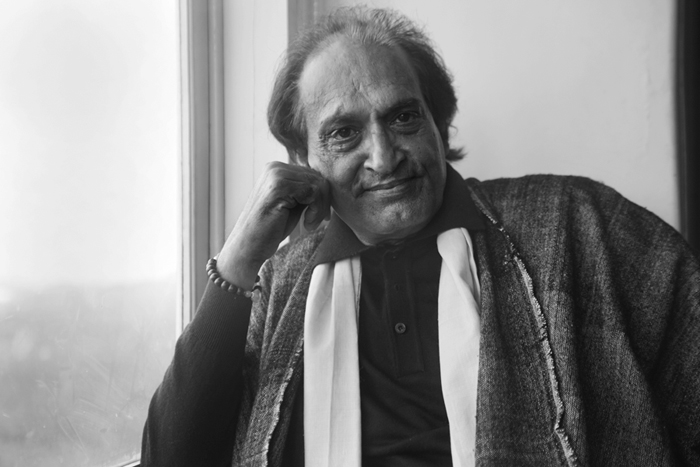
Raghu Rai is a New Delhi based photographer born in 1942 in a small village called Jhang, which is now part of Pakistan. Rai started photographing in 1965 at the age of 23. In 1971, Henri Cartier Bresson was very impressed after he saw an exhibition of Rai’s work at Gallery Delpire, in Paris. Rai joined the illustrious Magnum Agency in 1977 as a first Indian photographer.By Alakananda Nag for Visura Magazine
In Conversation with Elizabeth Cheng Krist
A graduate from Princeton University, Elizabeth Cheng Krist is a Senior Photo Editor for National Geographic. She worked at Asia and then Fortune before joining National Geographic magazine in 1994. Elizabeth has won awards from POYi, Overseas Press Club, and Communication Arts, and she has judged competitions for Kodak, Nikon, NPPA, College Photographer of the Year, and the Robert F. Kennedy Journalism Awards. She has curated exhibitions in Washington, D.C., and Athens, Greece, and has reviewed portfolios at the Palm Springs Photo Festival, Eddie Adams Workshop, and Review Santa Fe. A few years ago Elizabeth received a fellowship from the International Reporting Project.
Jewelry Designer Wilfredo Rosado
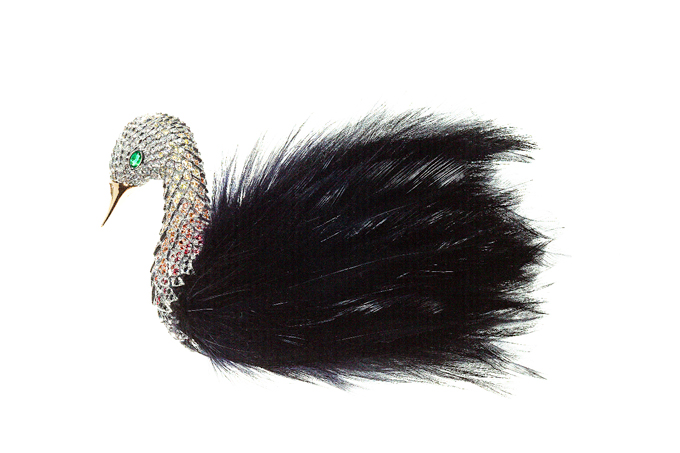
From Andy Warhol, I learned how to appreciate the things that were not tradition. Andy always had a great appreciation for non-traditional beauty. He also had an incredible work ethic. Andy was a hard worker, who valued what was the new, creative movement of the time. When I worked with him, I was exposed to that creative process because I was around him and I was able to see and eventually identify new trends. Today, I have a love for knowing what young people are doing in music, fashion and pop culture. It has become important to be up on what is new and what the new kids are doing; that was Andy for me. From Giorgio Armani, I learned how to identify beauty: what is going on in culture, and how to take what is raw and filter it in a refined way. Armani is also an amazing and astute businessman. He has been able to create a unique vision and make it into a successful business.
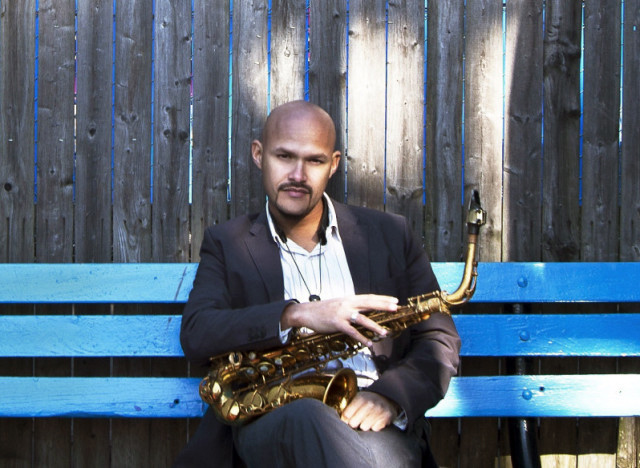
Jazz Musician Miguel Zenón
Grammy Nominee and Guggenheim and MacArthur Fellow Miguel Zenón recently finished his new album–Alma Adentro: The Puerto Rican Songbook, which will be released on August 30th, 2011.
Born and raised in San Juan Puerto Rico, Zenón adapted traditional popular songs by legendary Puerto Rican composers–Rafael Hernández Marín, Pedro Flores, Sylvia Rexach, Bobby Capó, and Don Tite Curet Alonso–to jazz, a genre that has a tradition of making standards from popular American songs. The music in this album was arranged by Zenón and orchestrated for a 10-piece woodwind section by Argentine pianist, composer and arranger Guillermo Klein.
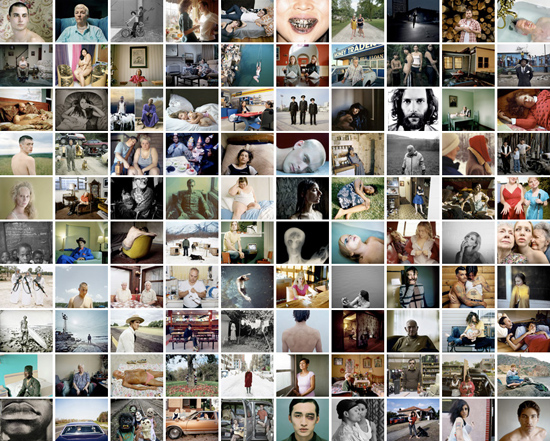
Photo Editors Andy Adams & Larissa Leclair on 100 Portraits
Andy: Online publishing and community collaboration are inspiring forces in my photo work and this project is another part of my mission to promote significant artists to a global audience of people who are passionate about photography. Like Flak Photo, I consider 100 Portraits a public art project, so I mounted a complementary digital exhibition so it would be immediately accessible to an international online audience. The community has been amazingly supportive of the project and Larissa and I are sincerely grateful to everyone who mentioned the exhibition in their blogs and on Facebook and Twitter. Since launching last fall 100 Portraits has been viewed by more than 54,000 visitors from 24 countries, which far surpassed my expectations. So, in a way, the project really celebrates the role that the online audience plays in the discovery and dissemination of work produced by photographers in the Internet Era.

Brenda Ann Kenneally & The Raw File
I became interested in photography at 30, when I went back to school. Just prior to that I read a book about Diane Arbus and I really identified with the way she used photography to be a part of life. It said that she felt disconnected, and photography was her way of connecting. Both of my parents were disabled—my mother with a physical disability and my father with a mental and psychiatric one. I sort of found the interest and beauty within my family. At this time, much like Diane Arbus, I was looking for a way to connect to the world. These are things that got me interested in photography.
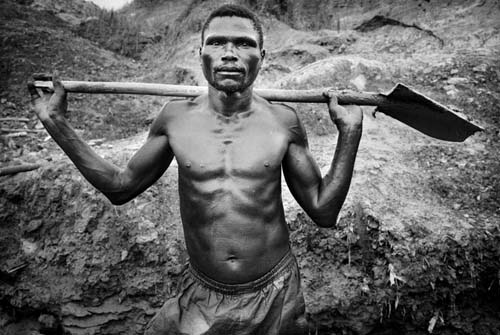
Mark Murrmann, Photo Editor of Mother Jones
The Photojournalism part of the Mother Jones website reflects the same kind of photography we run in the magazine. We focus primarily on documentary work, photo essays and portrait projects. I like to get a mix of work on the site. Very simply, I generally look for great bodies of work that tell a story. That can be something like Danny Wilcox Frazier's amazing "Driftless" series on Iowa, Anthony Karen's work on the Ku Kux Klan or Ellena Dorfman's "Fandomania" project.
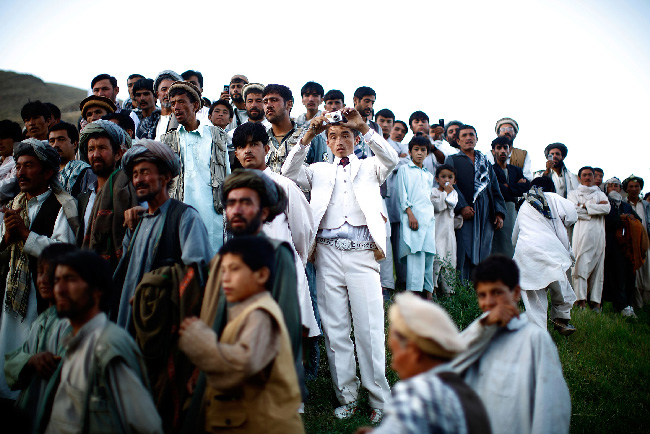
Claire O’Neill, Photo Editor of NPR Picture Show
Manipulation may be a trend—but it’s photography with a story, a point, a voice, a personality that stands the test of time. “Contemporary,” after all, can mean this minute, this year, this past decade or the past 50 years. The work of Cartier-Bresson can be just as contemporary, relevant and compelling as that of today. It depends on how we situate ourselves.

Curator Nathalie Herschdorfer on the reGeneration project
Five years ago, the Musée de l’Elysée celebrated its 20th anniversary. For this anniversary, the museum wanted to have something new and look into the future. We were talking about the future and were wondering who will be the finest photographers in a twenty years’ time. The first question was where photography itself was going at the digital age. If 20 years is the age of maturity for a photographer (museums like the Elysée regularly show mature photographers with substantial accomplishments) , which of the young photographers emerging today, we wondered, will be fully mature in twenty years?
Brian Storm, Founder of MediaStorm
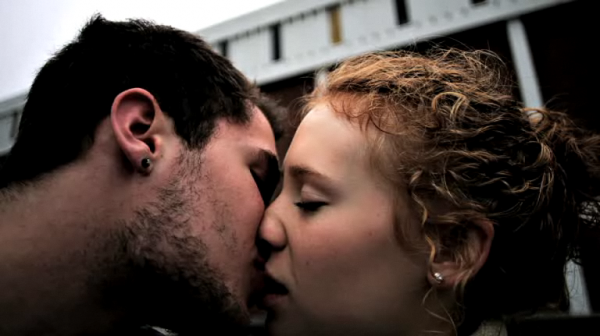
What we value most is story. Of course, we are big believers in the power of still photography and the still image plays a vital role in our projects. We try to advance the context of a single moment by adding audio, video, music and text. For example, Danny Wilcox Frazier’s project Driftless is a classic picture essay produced with a more cinematic focus.
James Estrin & Josh Haner, Photo Editors of The NY Times Lens Blog
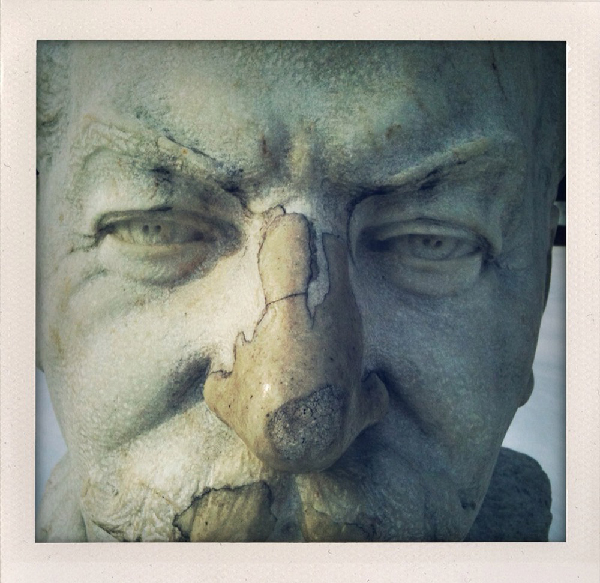
We’re always looking for stories that are different in subject, approach and visual language. We see hundreds of projects a month. There are scores of stories on Gaza, African immigrants in Europe, and drug/gang violence in Latin America, Which doesn’t mean that these are not important subjects. It just means that to get attention it has to have a different approach or style. It’s exciting when we see a well-photographed story on a subject that we haven’t seen before.
David Alan Harvey, Curator of Burn Magazine
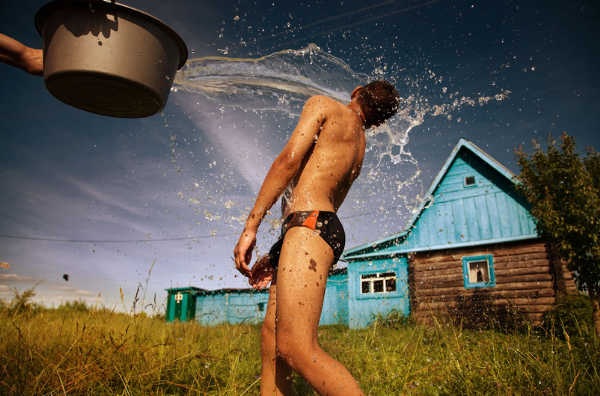
The key for photographers today is that they must be idea people. Concept people. It is no longer any advantage to have technical skills. Today one needs idea skills, to really have something to say, either journalistically or artistically. I see photography as a language far, far from dead. In my opinion, just being born. I look for visual literacy in a body of work. The makers must be visually literate and the audience must be visually literate as well.
Nelson Ramírez de Arellano, Curator of La Fototeca de Cuba
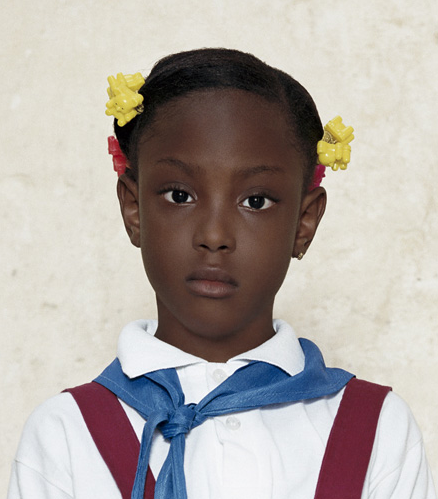
I look for the capacity to give, to communicate its ideas, the capacity to surprise and catch you into its world. For me photography as any form of art is a way to understand “reality and existence”. Nothing can be as inspiring as exploring new forms to acquire knowledge, both as information and as a form of aesthetical knowledge.
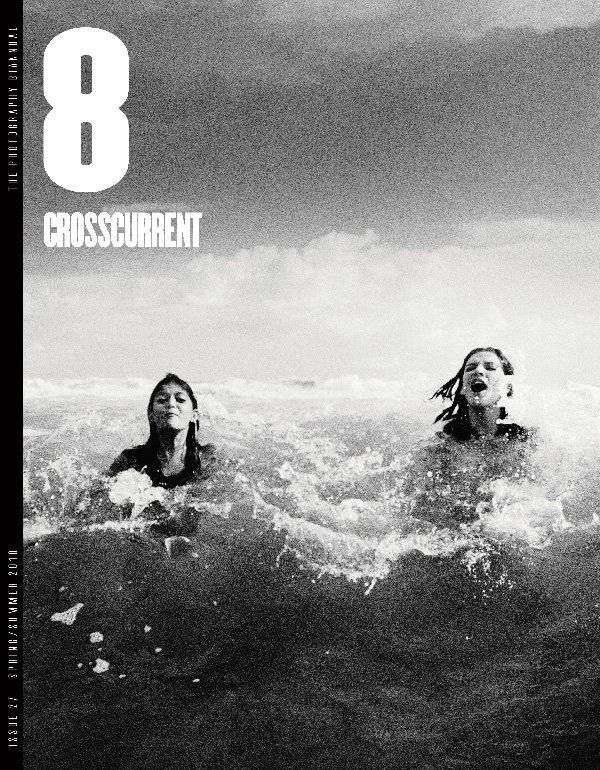
Jon Levy, Founder of FOTO8
It doesn’t mean anything to me, though, no doubt, I am guilty of using the term too much myself. I think I rather use the term contemporary photographers more than photography. All photography is kind of contemporary no doubt due to its short life span in the grand scheme of things. There are a lot of terms bandied about to dress up new works by exciting photographers.
Ricardo Viera, Curator of The Lehigh University Art Gallery
The term “Latin American” no longer only refers to those living within the boundaries of Central America, South America and the Caribbean. Today the United States has an increasing Latino constituency, including distinguished artist/photographers. To be Latin American is to claim an ethnic identity based on cultural heritage, ancestry and geographic origin.
Idurre Alonso, Curator of Museum of Latin American Art (MoLAA)
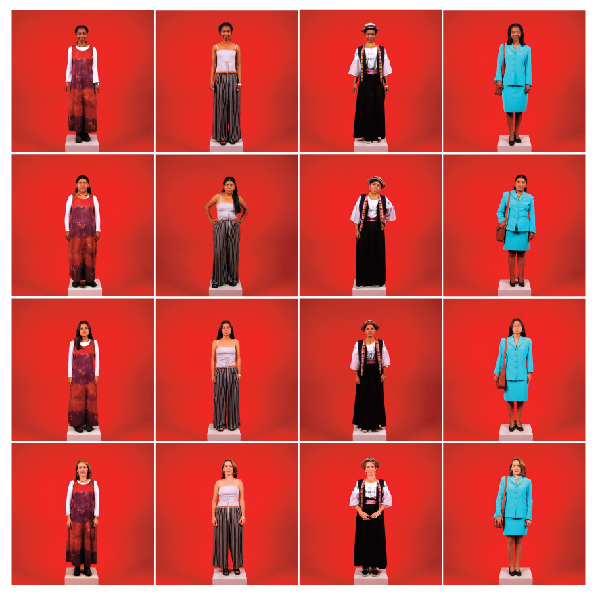
Since photography in Latin America encompasses all types of aesthetics including documentary, conceptual and experimental formats, among others, heterogeneity is probably its only unifying element. What is clear to me is that Latin American photography moves in multiple ways; in some instances the works reflect the contextual realities of their site production while in others they reference global issues.